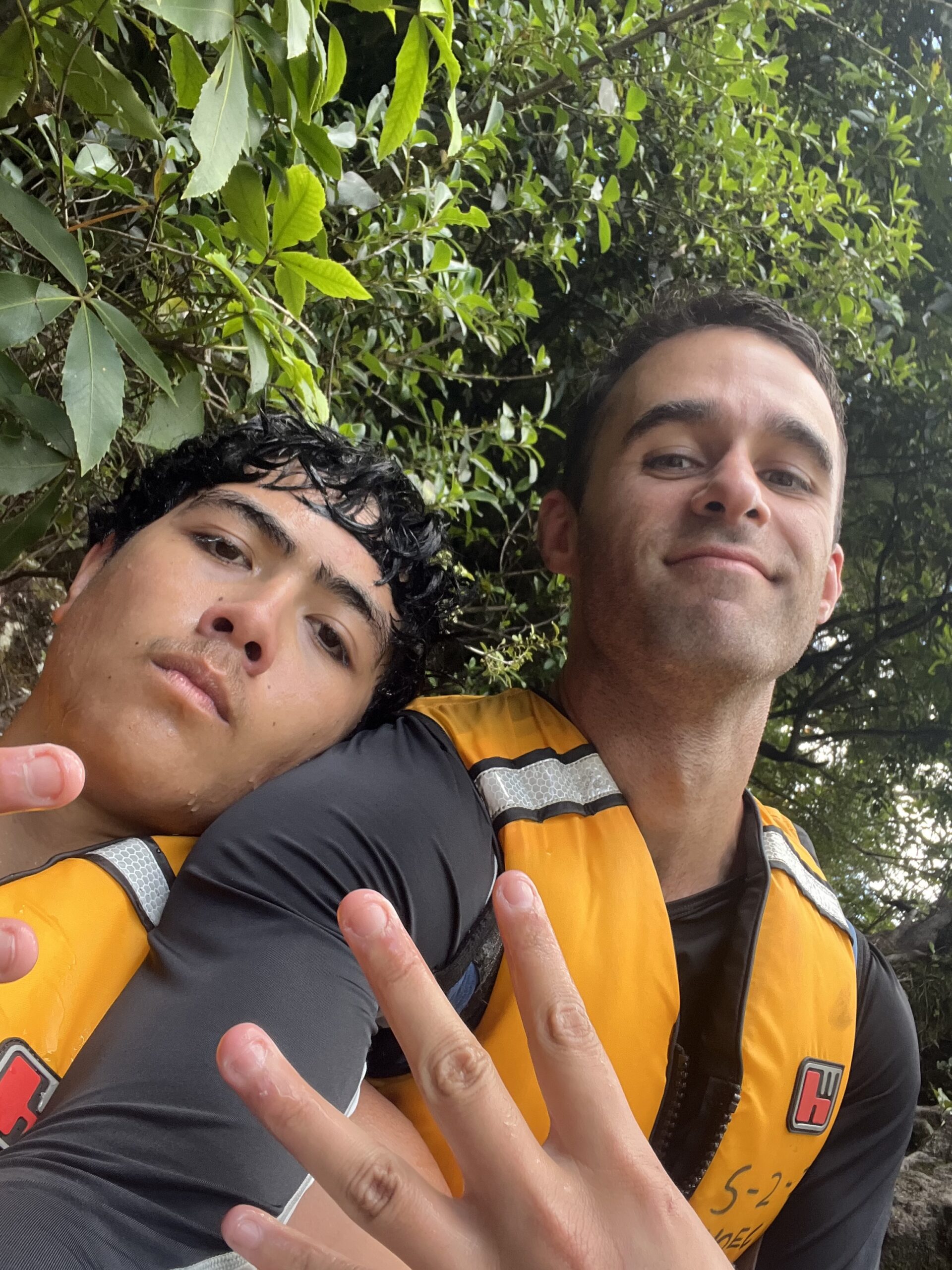
In a world where young boys are increasingly exposed to harmful online influencers and distorted ideas of masculinity, one New Zealand charity is offering something much more powerful: a real human connection.
Recently speaking with RNZ’s Jesse Mulligan, Big Buddy Programme Lead Shane Brown shared why positive male role models are more important than ever, and how a simple commitment of a few hours each week can transform a young person’s life.
A Mentor’s Journey
For Shane, Big Buddy is more than a job—it’s a personal passion.
He first became involved as a volunteer mentor eight years ago while studying postgraduate psychology. Having grown up with a supportive father, Shane recognised that not every boy was afforded the same opportunity and wanted to make a difference.
“I was working towards my postgraduate studies in psychology and happened across a flyer for Big Buddy. I was 22 at the time and thought about all the energy I had to connect with people and make a difference for a boy who maybe wasn’t fortunate enough to have what I had.”
Shane was matched with a young boy and remains in contact with him today. After working in youth justice and other sectors, he joined Big Buddy’s staff three and a half years ago as a Mentoring Manager and now leads the programme.
How Big Buddy Works
Big Buddy matches boys aged 7 to 13 who do not have their father involved in their lives with carefully screened volunteer male mentors.
The programme is intentionally simple.
Volunteer mentors spend around two to three hours each week with a boy, usually on weekends, building a consistent and trusting relationship over at least 12 months. The goal is not to create a formal counselling relationship but a natural friendship that grows alongside the boy as he develops.
“We have volunteer males from all walks of life. They don’t have to be perfect men. They just need a willingness to share time with a boy who doesn’t have their own dad around.”
While the formal commitment is one year, the average Big Buddy match lasts around three and a half years, with some relationships continuing for more than a decade.
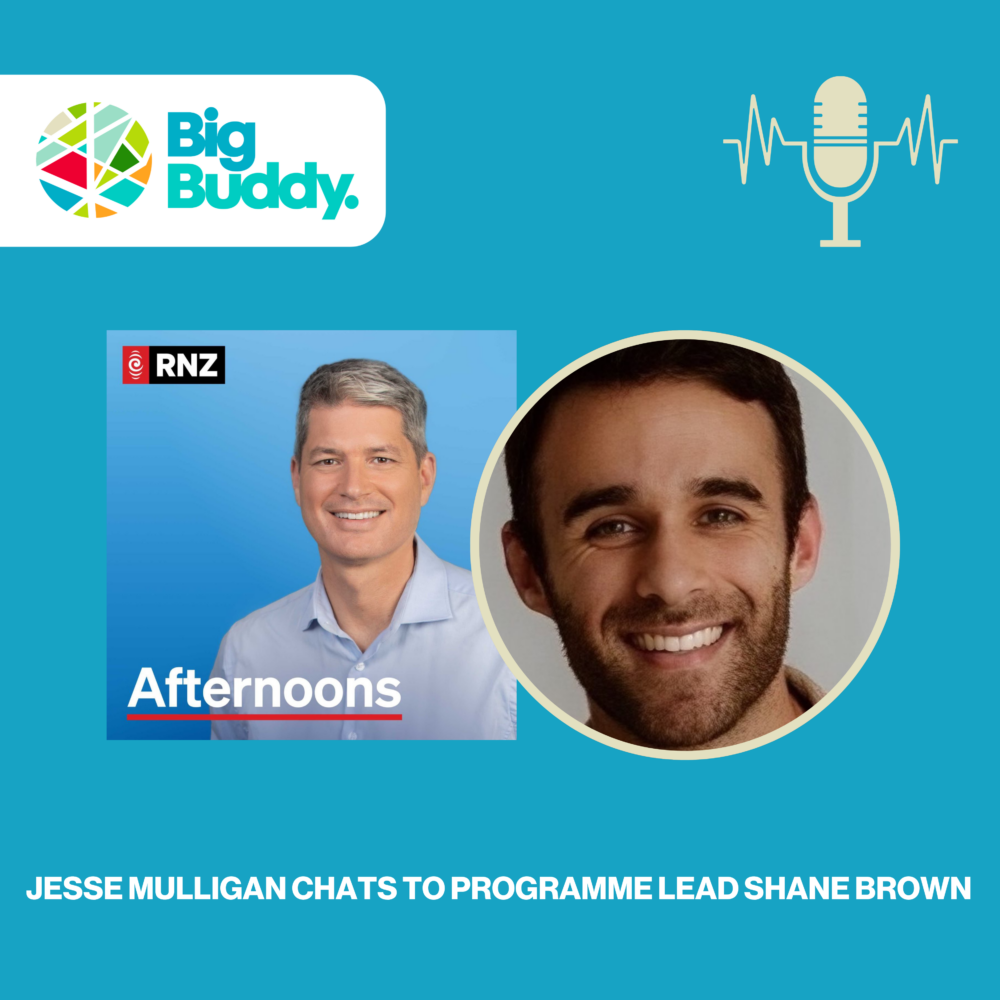
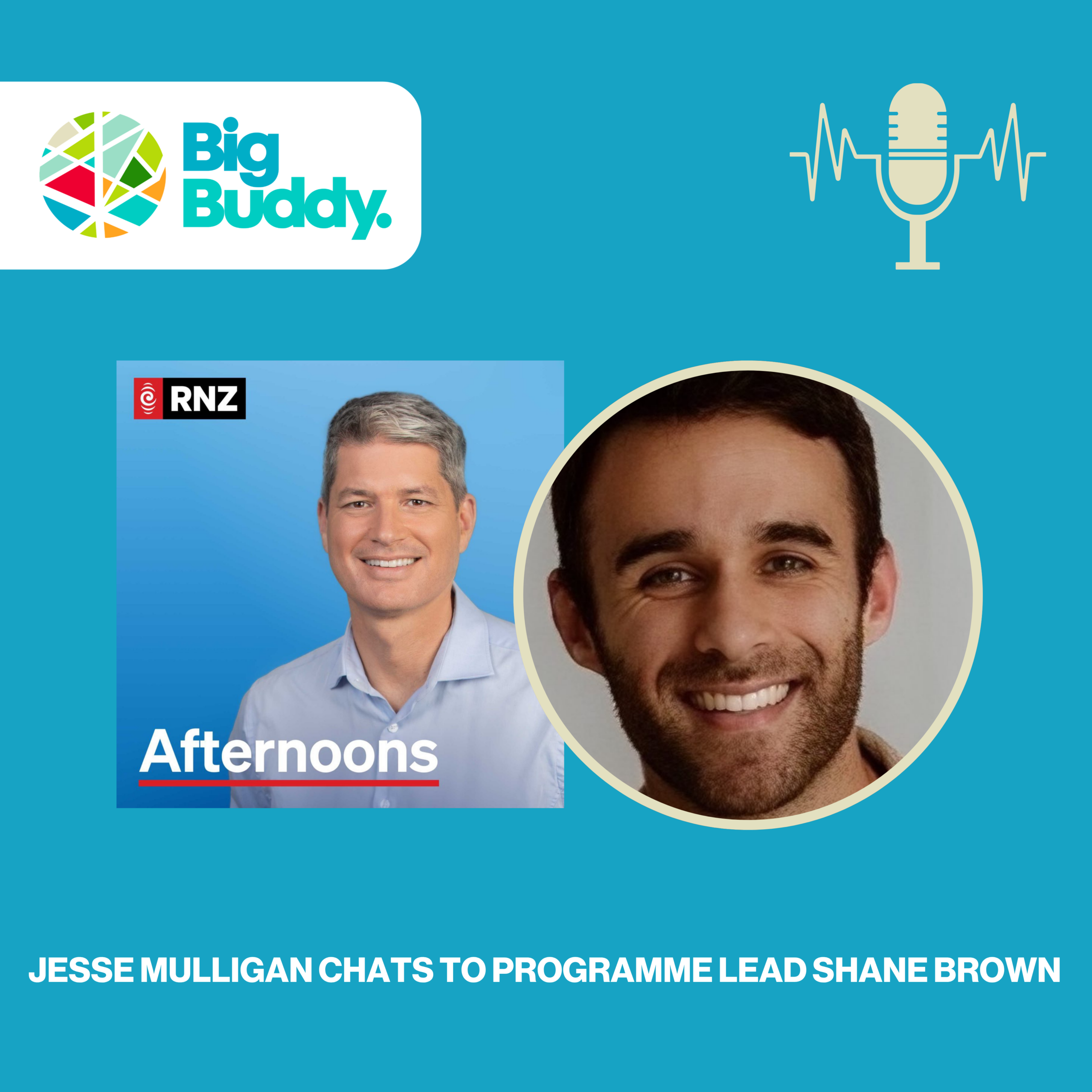
How NZ’s Big Buddy System is offering positive male role models
From Afternoons, 1:08 pm on 12 June 2026
Safety Comes First
Given the vulnerable nature of the programme, Shane acknowledged that people naturally wonder how Big Buddy ensures mentors are safe and suitable.
The organisation employs a rigorous screening process that includes:
- Police background checks
- Reference checks
- A GP health assessment
- In-person training
- Home interviews
- Independent psychological assessments
“By the time we’ve completed the process, we’re confident we’ve done our due diligence and that mentors are ready to commit and be emotionally responsible for a young person who really needs it.”
The Growing Need for Role Models
One of the biggest challenges facing Big Buddy is not finding boys who need support—it’s finding enough men willing to volunteer.
At any given time, around 85 to 95 boys are waiting for a mentor, while significantly fewer men are progressing through the volunteer application process.
This imbalance reflects a wider challenge facing community organisations across New Zealand, with volunteering rates declining in recent years.
Yet the men who do step forward often discover the experience impacts them just as much as the boys they support.
“We ask mentors early on what the benefits will be for them. As time goes on, many tell us the experience has been really powerful, even healing. They’ve been able to connect with their own inner child.”
A Positive Alternative in a Digital World
The conversation turned to an issue increasingly making headlines: the rise of online influencers promoting unhealthy and often harmful ideas about masculinity.
From “red pill” communities to appearance-focused trends like “looksmaxxing”, many boys are searching for guidance and identity online. Shane believes that while these voices may be accessible, they are often filling a gap that should be occupied by genuine relationships.
“I see Big Buddy as an alternative pathway.”
Where social media offers influence through a screen, Big Buddy offers connection in real life.
Shane says many caregivers initially tell him their son spends hours gaming or scrolling online. Yet when mentors meet boys face-to-face, something remarkable happens.
“We meet them where they’re at—asking about school, football, gaming—and you immediately see their willingness to share their world. There’s almost an innate desire to connect.”
When a mentor arrives at a boy’s home for the first time, Shane often notices a visible change.
“The shoulders come up, the eye contact increases. It’s that sense of, ‘I want to do this. I want to connect.'”
The Power of Consistency
For many boys in the programme, the biggest gift isn’t an activity or a piece of advice—it’s consistency.
Some have never experienced a dependable male figure who simply shows up for them, week after week.
“To have someone turn up on a Saturday at 10am, and then turn up the next Saturday and the next Saturday, it tells them, ‘He must really care about me.'”
That reliability helps build trust, confidence and self-worth.
“It gives boys the sense that they matter to someone—not just someone in their family, but someone choosing to invest their time in them.”
Supporting Caregivers Too
Big Buddy is careful to emphasise that mentoring is not about replacing mothers or caregivers.
Most caregivers who reach out understand their strengths but recognise they cannot fulfil every role their son may need.
“Many mums say, ‘I know what I’m doing, but I can’t wear all the hats.'”
By bringing another trusted adult into a boy’s life, the programme creates a wider support network while reinforcing the important role caregivers already play.
A Call for More Mentors
The need for positive male role models has never been greater.
At a time when many boys are searching for belonging, guidance and identity, Big Buddy offers something refreshingly simple: a good man showing up consistently and caring enough to spend time together.
As Shane puts it, boys don’t necessarily need perfect mentors.
They just need someone willing to be present.
For men considering volunteering, that commitment could become one of the most rewarding relationships of their lives.
To learn more about becoming a mentor or supporting the programme, visit www.bigbuddy.org.nz or follow Big Buddy on social media.